

Already Working with an Architect? Here’s What to Do Next
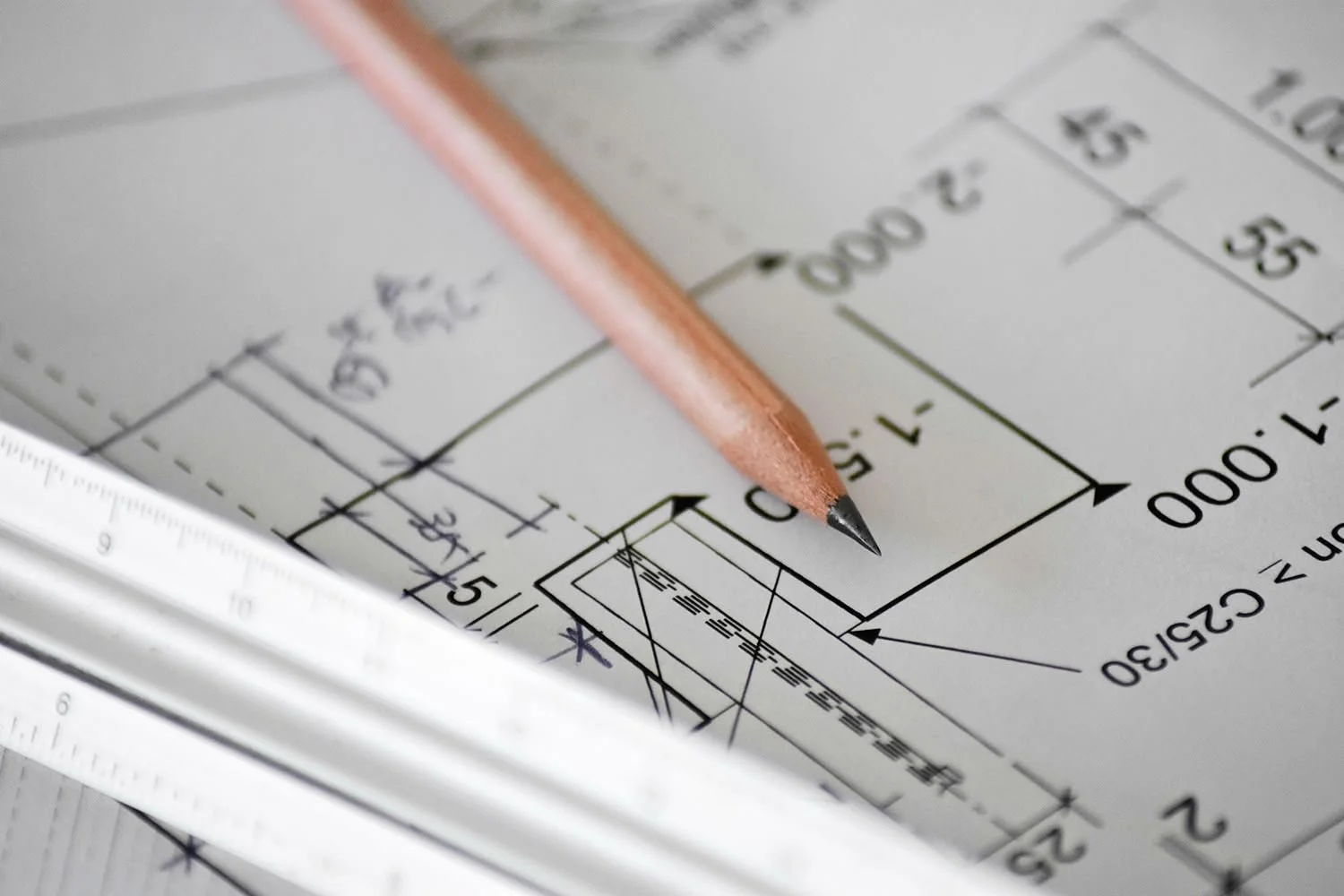
If you’ve already hired an architect and started the architectural design process, you’re not alone. This is actually how many homeowners begin their remodel.
Many people reach out to us when they already have plans—or at least a strong concept—and are starting to think about pricing and construction.
And that’s usually when things start to feel… unclear.
Maybe the numbers are coming in higher than expected.Maybe you’re being told changes need to be made.Or maybe you’re just not sure how to move from plans to an actual build.
First—this is completely normal.
Why This Happens
Architects are incredibly skilled in what they do—especially when it comes to building codes, structural requirements, zoning, and overall architectural integrity. Their expertise is essential in making sure a home is safe, compliant, and well-designed from a technical standpoint.
That said, the traditional architectural process often focuses more on overall form, structure, and compliance than on highly detailed space planning and interior-driven design decisions early on.
Layout development and product-specific decisions—like how cabinetry integrates, how appliances impact flow, or how a kitchen actually functions day-to-day—can sometimes be a smaller part of that early architectural phase.
This is where having a dedicated designer involved from the beginning adds a different layer.
A designer is often focused heavily on the lived experience of a space from day one—how rooms function together, how people move through the home, and how every detail will actually be used in real life. Because designers are constantly working with finishes, fixtures, cabinetry systems, and real-world product specifications, they’re able to design layouts with those constraints and opportunities in mind from the start.
That product-level understanding can lead to more intentional layouts—where the architecture, interiors, and functionality are considered together, rather than in separate phases.
When that alignment happens early, projects tend to move forward very smoothly. When it doesn’t, that’s usually where things start to feel more complicated—especially once design decisions begin meeting real-world pricing and construction constraints.
Where Things Start to Break Down
In a traditional process, this separation of focus works fine in isolation. But remodels don’t happen in isolation—they come together all at once. And that’s usually where alignment between design, budget, and construction becomes critical.
This is usually the point where homeowners start to feel the disconnect between design intent, budget, and construction reality. You might find yourself:
Going back and forth between design changes and pricing
Trying to figure out where to adjust without compromising too much
Feeling like each decision creates a ripple effect
When all of these pieces are aligned early, the process feels seamless. When they’re not, that’s typically where homeowners start to feel the disconnect between design, budget, and construction.
How We Help (Even If You’ve Already Started)
This is where we often step in.
Even if your plans are already underway, we can help bridge the gap between design and construction by:
Reviewing your current plans and refining layouts from both a flow and budget perspective
Aligning the scope of work with your target budget
Identifying areas where strategic adjustments will have the greatest impact
Bringing a construction-informed lens into design decisions
Creating a clear, actionable path forward so you can move into building with confidence
We’re not here to start over—we’re here to help refine, align, and move your project forward.
The Goal: Clarity + Alignment
At this stage, what most homeowners really need isn’t more ideas—it’s clarity.
Clarity on:
What the project will actually cost
What changes (if any) should be made
How to move forward without constant backtracking
Once design and construction are aligned, everything becomes more straightforward—and the process starts to feel manageable again.
You’re Not Behind
If you’re in this position, it doesn’t mean you’ve done anything wrong.
It simply means you started with a different approach—and now the next step is bringing all the pieces together in a more aligned way.
And that’s something we help clients navigate all the time.
If you already have plans in place and are trying to figure out next steps, we’re happy to take a look and help you understand the best path forward.
Sometimes it only takes a few strategic adjustments to turn a project that feels stuck into one that’s ready to move forward with confidence.
If you’re at this stage and want clarity on your next steps, we’re happy to take a look and help you move forward with confidence.


Remodeling in Moraga Country Club comes with a process most homeowners don't expect the first time around — and understanding it up front makes the whole project smoother. Here's what one recent MCC remodel actually involved, from approval to finished home.